Metallo Sculpture Gallery
Material
How to Choose
This is the space to introduce your Projects section. Take this opportunity to give visitors a brief overview of the types of projects they'll find featured in the showcase below. Consider adding an image or video to spark their interest.

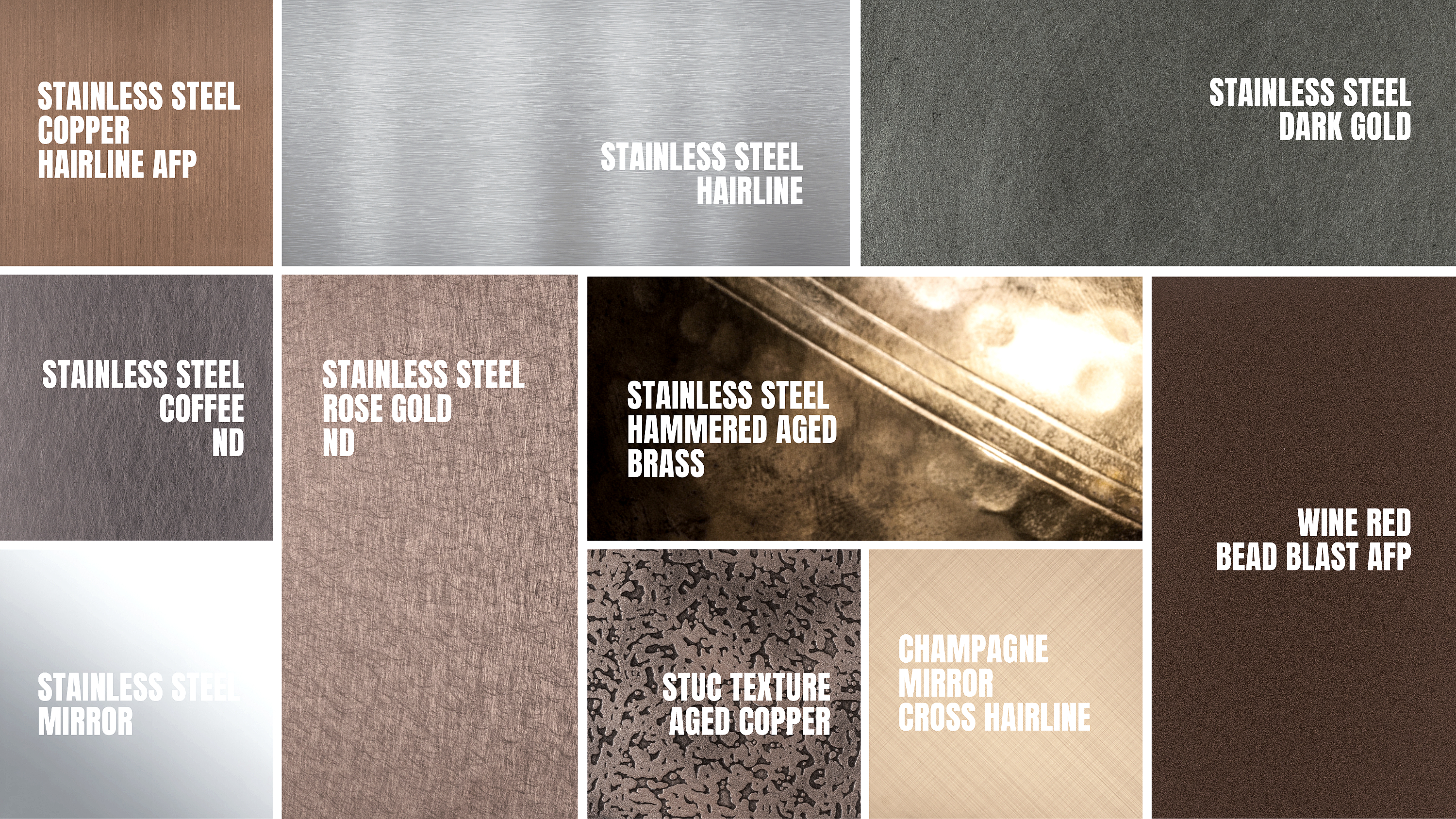
Picking the right material for a commercial sculpture is rarely a straightforward choice.
You're not just looking for what's visually stunning—you're trying to find that perfect sweet spot between the artistic vision, the reality of the budget, long-term upkeep, and the actual physical constraints of the site.
It’s definitely a lot of moving parts to manage at once, but breaking the process down into a few key areas makes the whole decision a lot easier to tackle.
Let's break the process down into a few simple conversations so it doesn't feel quite so overwhelming:
Where is it going to live?
First things first, think about the environment. If the piece is going outside where it has to fight off UV rays, heavy rain, or even coastal salt in the air, you absolutely need something tough.
Things like marine-grade 316 stainless steel, classic bronze, or solid granite are built to handle the elements. On the flip side, if your sculpture is staying safely indoors, you have so much more freedom to play around with sensitive materials like natural wood or resin without worrying about weather damage.
What is the reality of the budget and upkeep?
Nobody wants to install a stunning piece of art only for it to become a maintenance nightmare a year later. If you or your client wants a "set it and forget it" installation, polished stainless steel and granite are your best friends. Bronze is timeless and gorgeous, but just remember it does need a little TLC every now and then to keep its patina looking right.
When it comes to the budget, if you're trying to create massive, large-scale shapes without breaking the bank, concrete or fiber-reinforced polymer (FRP) are incredibly cost-effective. Naturally, premium metals and imported stones are going to sit at the higher end of your budget.
How will it look, and how will we build it?
The material has to match the vibe you're going for. If you want fine, intricate, lifelike details, bronze is incredible. If you're designing a modern, sleek urban plaza, highly reflective stainless steel is usually the winner.
But you also have to think about the literal heavy lifting. A solid stone or bronze piece is going to be incredibly heavy. That means you'll need to plan for reinforced foundations, structural engineering checks, and cranes. If the site access is tight or you're worried about the weight load, leaning into lighter materials like stainless steel, aluminum or FRP can save your contractors a massive amount of stress during the install.
Safety and local rules
Lastly, we can't forget about the red tape. Before committing to a material, always double-check your local building codes. You'll need to think about fire resistance, structural load limits, and even slip-resistance if the public is going to be walking on or touching the piece.
How to move forward with confidence:
If I can offer a little advice on your next steps:
-
Write down the non-negotiables: Figure out exactly what the piece must survive (weather, public touch, etc.) before looking at aesthetics.
-
Ask the experts: Lean on your supplier. Ask for their technical data sheets so you know you're getting the right grade of steel or the right composite mix.
-
Get a sample: If your budget allows, get a small prototype or a physical material sample. Holding the finish in your hands and seeing how it looks under your actual site lighting makes all the difference in the world.
You are doing great—just take it one step at a time, trust the process, and you'll find the perfect fit for the space!